Q&A with Community Navigator Yonhui Castillo
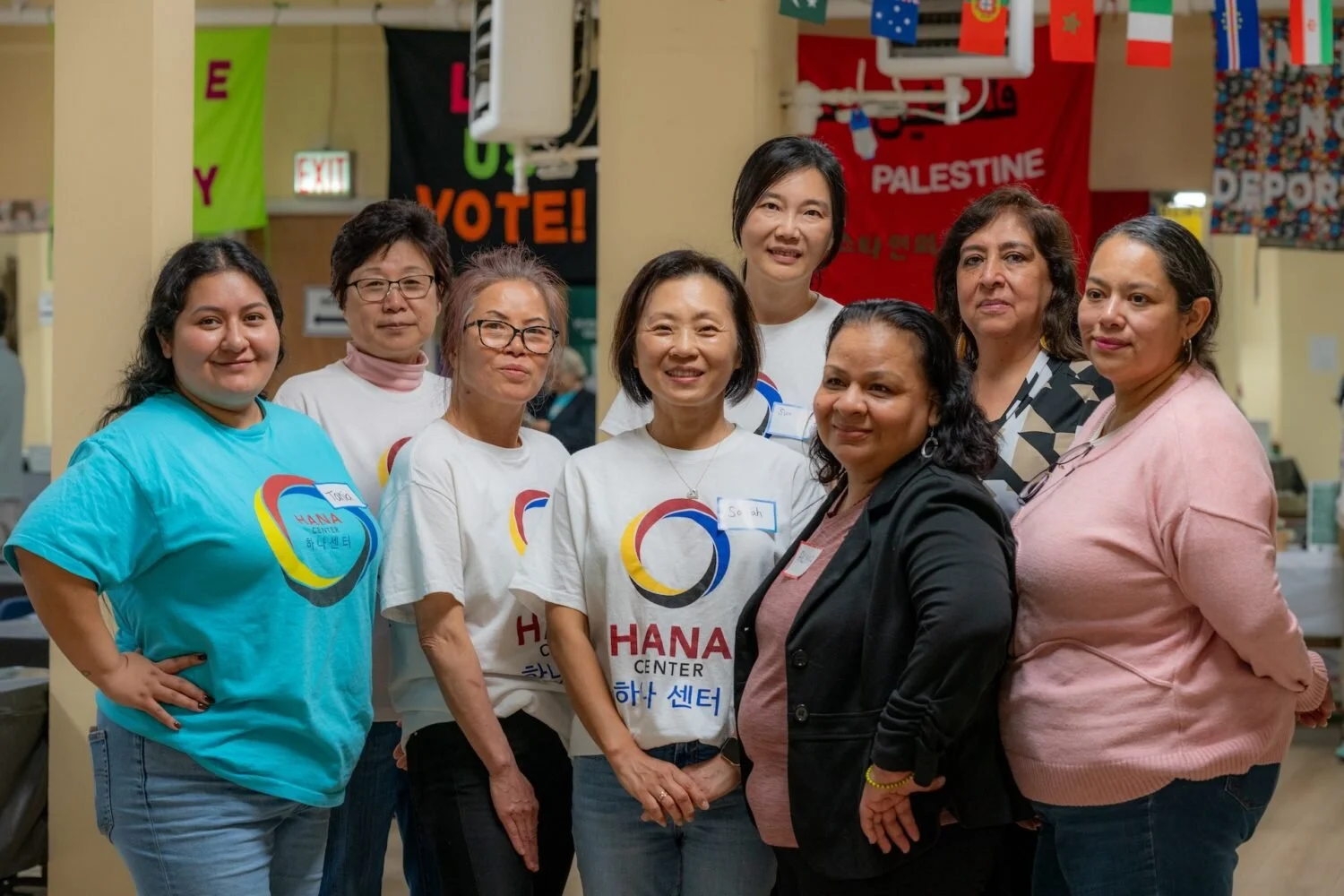
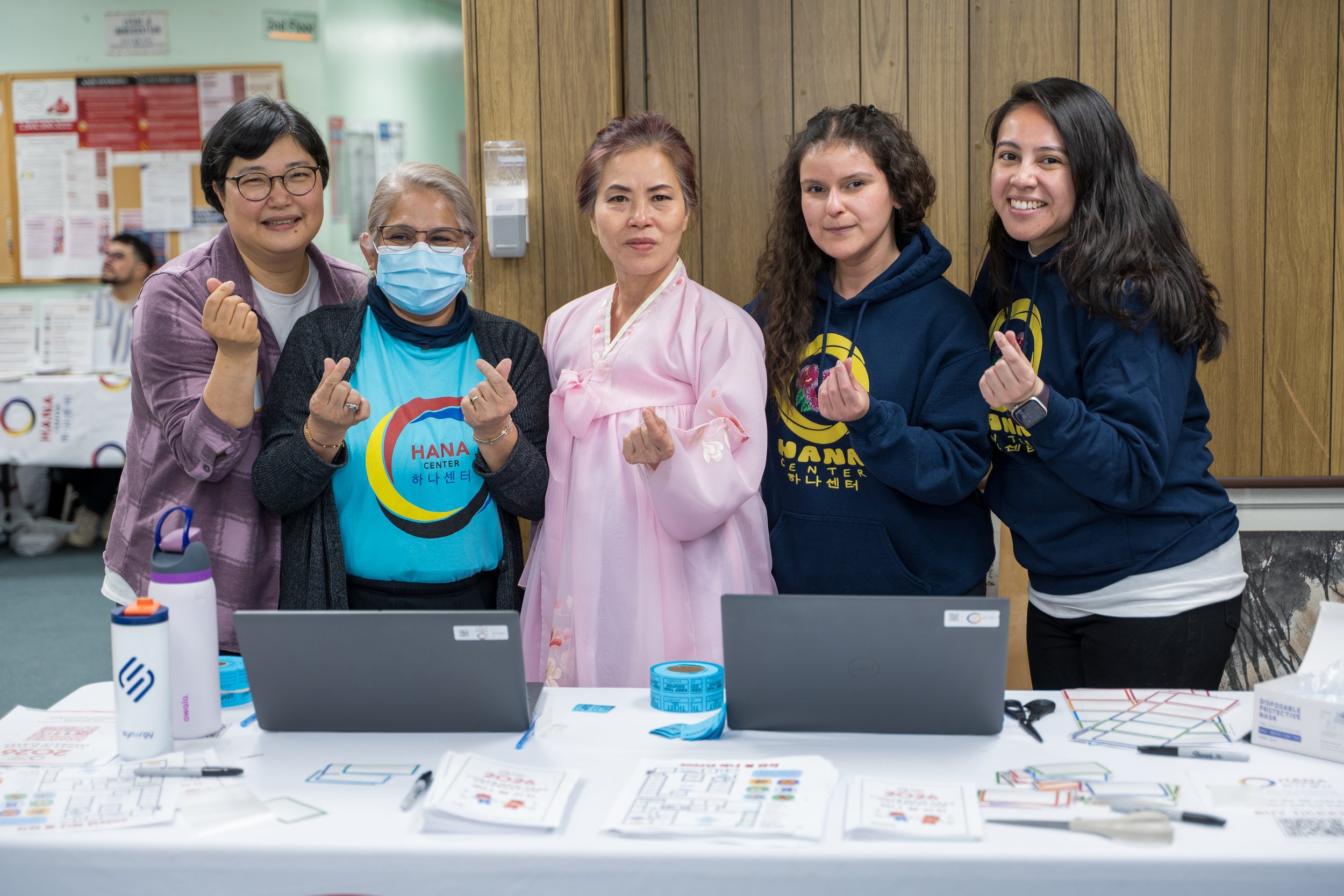
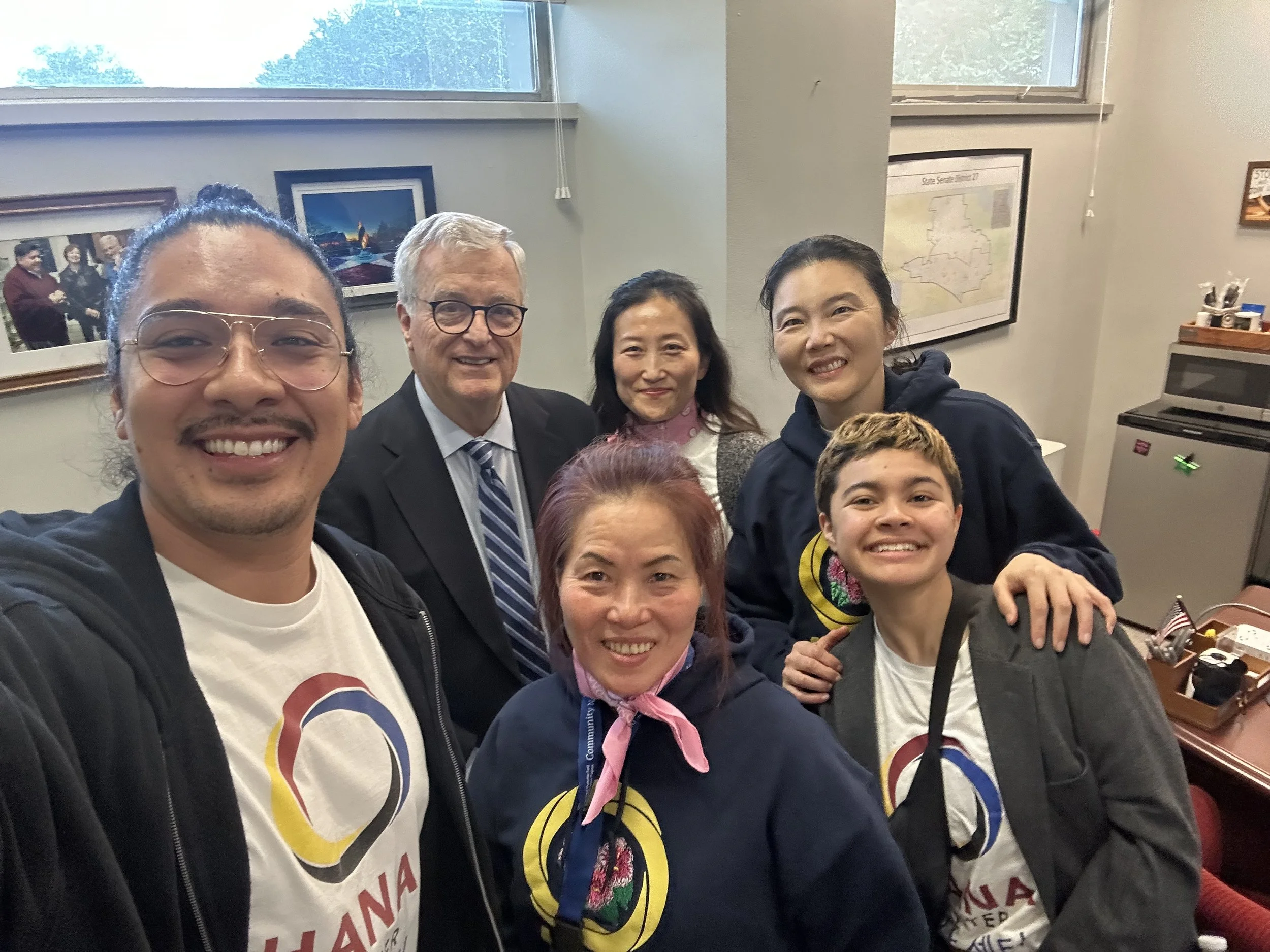
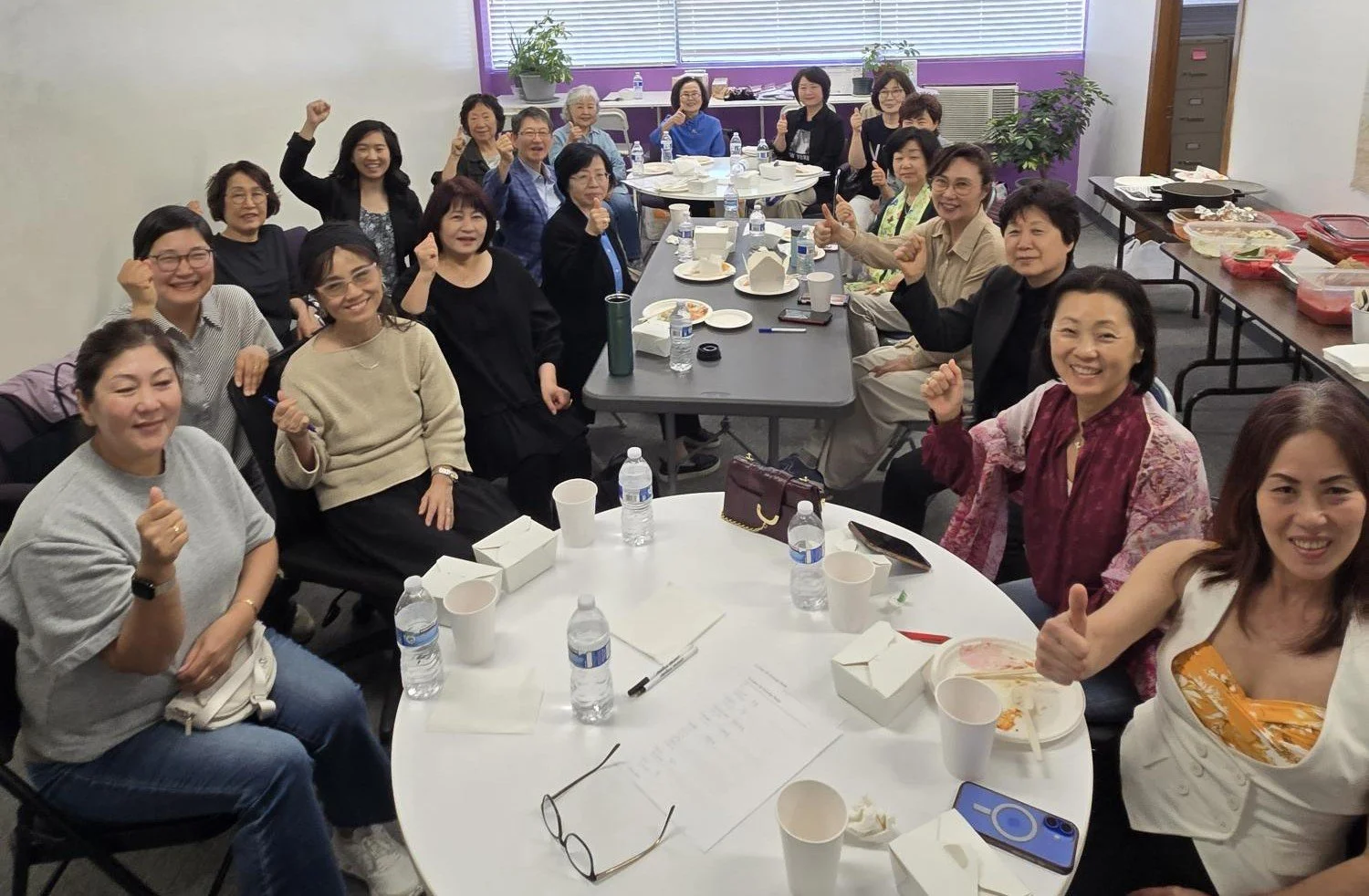
Yonhui Castillo is a Community Navigator at HANA Center. HANA’s Community Navigator program trains community volunteers about our immigration system and equips them to provide Know Your Rights training.
In preparation for this year’s MODU Gala: A Night of Community Power, we asked Yonhui what community power means to her and how the Community Navigator program affected her life.
Q. How did you come to the chicago area?
I moved to Chicago from New York City with my husband. Although it was an unfamiliar environment at first, I adapted with the mindset of starting a new life, and now I’ve lived in Chicago for 37 years. During this time, I have met many people and experienced many different things, Chicago has become not just a passing city, but a second home.
Q. How did you find out about HANa Center?
I first found out about HANA Center when my grandson attended HANA’s early childcare center. I naturally visited the center and came across various programs and activities. At that time, I was not feeling well and quit my job, but I still wanted to contribute in some way. I started volunteering and regained my vitality in the process of socializing with people. It was not just a way to spend time, but also a meaningful time for me to be helpful to someone, and to learn and grow.
Q. When you came to volunteer what were your expectations?
I wanted to be someone who could deliver useful information to people in need. I’ve seen many people around me who suffered from a lack of information and resources, and I also experienced this as an immigrant myself. I thought it would be meaningful if I could give even a little help to someone. I felt very sorry for those who did not get the information they needed, especially because of language or cultural barriers. So I felt it was important to share what I knew, connect with the people who needed it. I think volunteer work is not just about helping others, but about learning and relying on each other.
Q. Do you remember your first outreach activity or was there a particularly memorable event?
One of the most memorable moments was watching the pungmul performance at my first 'No King's Rally'. It was so impressive to see young people playing Korean drums, and I felt full of energy and passion. Especially, watching many people showing interest by taking photos and videos of the drumming, I felt great pride as a Korean. I was very proud that Korean traditional culture could bring joy and emotion to people of other races and generations, and it was a moment when I felt once again that culture has the power to connect people. It was meaningful to be able to speak out for immigrants through No Kings Day Rally. It was also good to communicate with refugees at the Korean First United Methodist Church event and inform them of Know Your Rights information.
Q. what is it like to connect with community members in both spanish and Korean?
In the process of having a lot of exchanges with the Spanish-speaking community, I learned about their food and culture. It was rewarding to be able to communicate and connect with each other through language, and I learned that there are many aspects in Spanish-speaking cultures that value family and respect for elders. Those values were similar to Korean culture, so it was easy to empathize with them. Even the pronunciation of Spanish and Korean felt similar.
Q. Did getting involved with hana center change how you view yourself?
In the past, I was limited in what I knew because I was acting alone. Now, as I work with people at HANA Center, I learned how to gain new knowledge. Above all, my perspective on the world has expanded and my understanding of people has deepened. Before, I didn't know how to help others, but now I know little by little how to approach them. Also, I feel a greater sense of responsibility and reward as I share what I have learned with others. My life has become much busier than before, but I feel more alive and full of energy because of it.
Q. What does community power mean to you?
I think community power is really important. There is a limit to what one person can do alone, but when people come together, they can share more knowledge and experiences and make a bigger difference. I think it is necessary to come together and learn from one another. In the process of sharing each other's experiences and gathering strength, individuals can grow and the community as a whole can become stronger. So, I think community activities are important forces that lead society in a better direction.
Q. why is being involved in the community important?
I think a society where everyone can participate and connect together, regardless of race or age, is important. For the future of our children, I think it is possible to do hard work together, and we can make greater change by learning and relying on each other. Our future depends on building a community where people can share strength and knowledge with each other. I want to be a person who continues to grow and shape this future.
If you are interested in supporting immigrants and vulnerable communities through the Community Navigator program, please contact Mr. Hyunjoo Choi: hchoi1@hanacenter.org / 312-248-1938.